
First Record of a Geoffroy’s Bat in Gibraltar
 Back
BackPublished: September 21, 2026
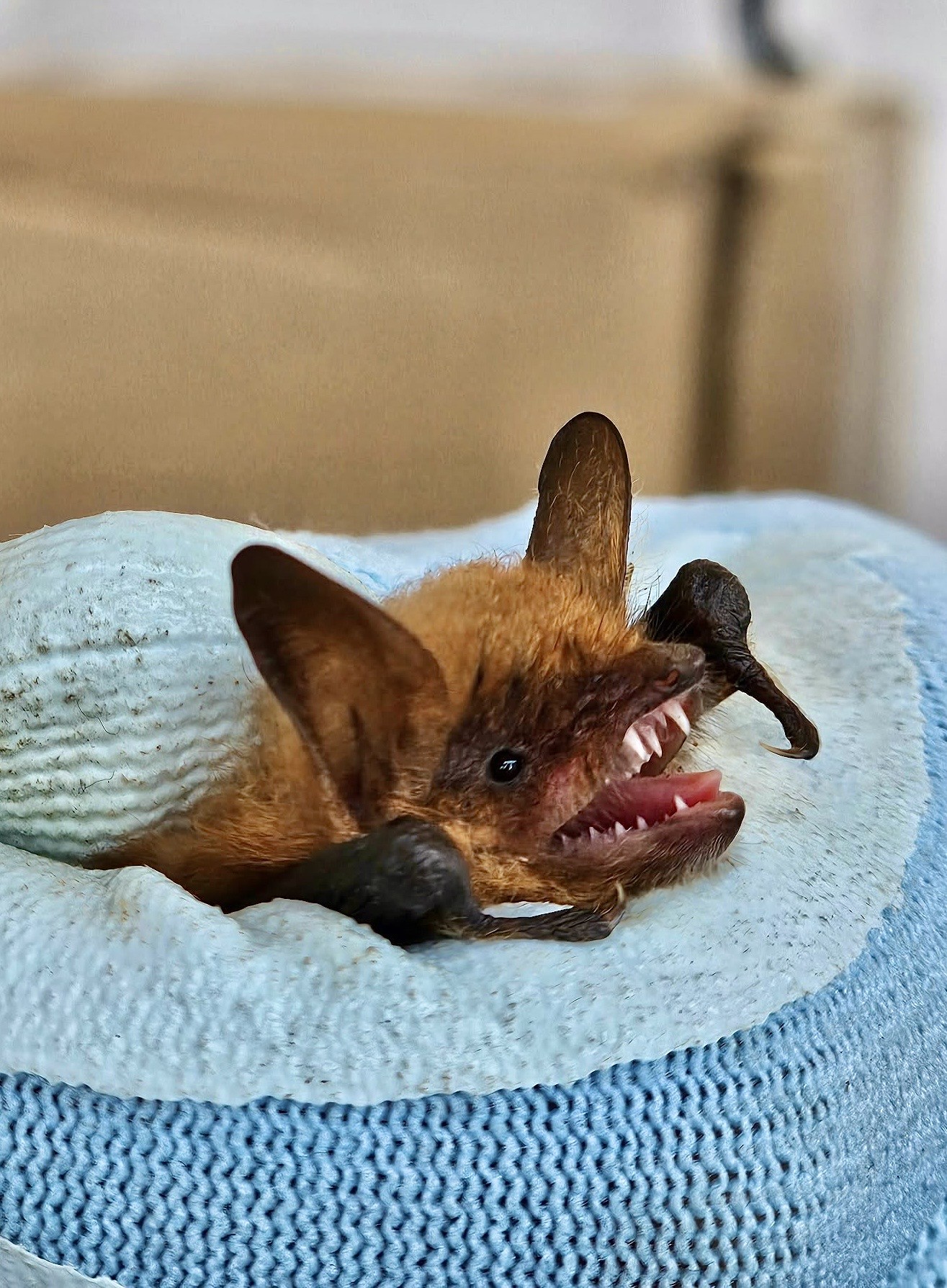
A bat species, never before recorded in Gibraltar, has been discovered at the northern end of Gibraltar, marking an important new addition to the Rock’s known biodiversity.
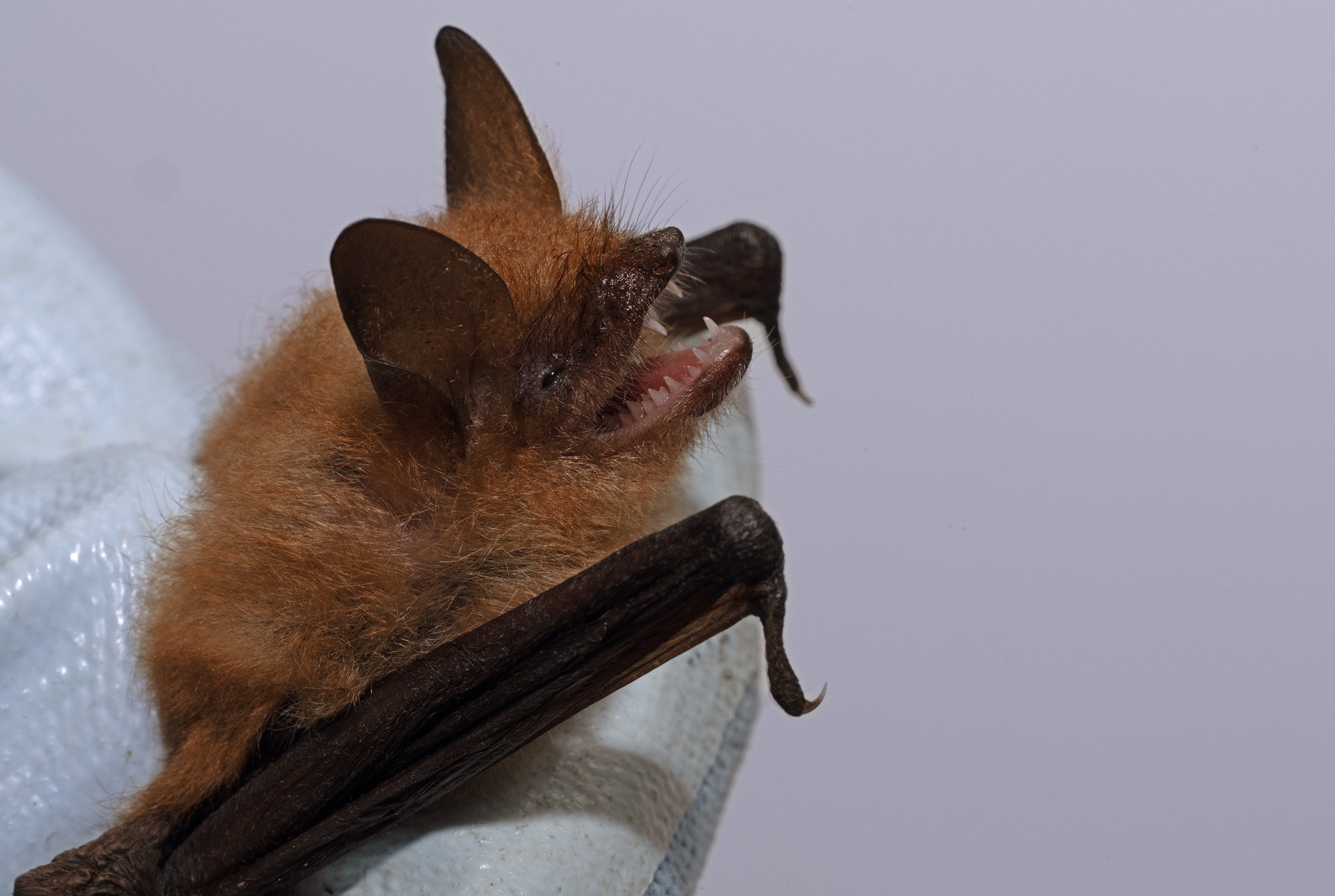
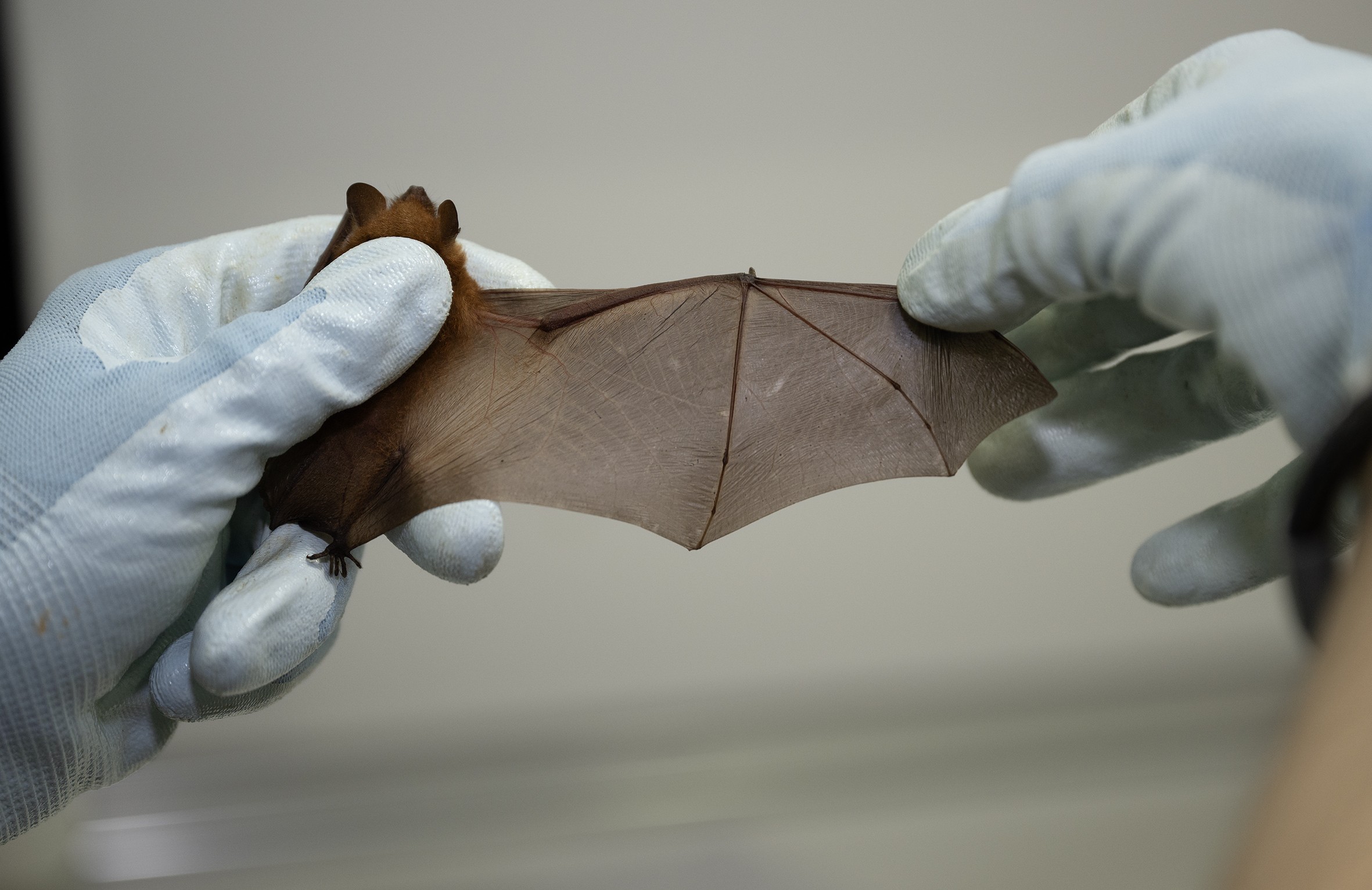
The animal has been identified as a Geoffroy’s bat (Myotis emarginatus), a species known from the surrounding region but not previously confirmed in Gibraltar. The young male was recovered by the Department for the Environment’s Environmental Protection and Research Unit and taken to specialists at the Gibraltar National Museum, where it was examined and identified. It was subsequently ringed as part of ongoing monitoring work and successfully released later that same evening.
The discovery is especially interesting because Geoffroy’s bats are known from nearby mountainous areas. Researchers are now keen to determine whether this individual was simply passing through Gibraltar or whether the species may be beginning to make greater use of the Rock.
Dr Stewart Finlayson of the Gibraltar National Museum said: “This is a very exciting find. Geoffroy’s bats have never previously been recorded in Gibraltar, although we know that the species occurs in the surrounding mountains and wider region.
We are particularly interested in establishing whether this animal was simply moving through Gibraltar or whether we may be seeing an expansion of the species into the Rock.
A single record does not mean that the species is established or breeding here, but it gives us an important reason to look more closely. The fact that this was a young animal makes the record especially interesting, and further monitoring may help us understand how these bats are moving through the wider Strait of Gibraltar region.”
Gibraltar’s position at the entrance to the Mediterranean and at the meeting point of Europe and Africa makes it an important location for studying wildlife movements and changes in species distribution.
Geoffroy’s bats are an insect-eating species. Like many bats, they play an important ecological role by consuming large numbers of insects, including moths and other flying insects. This natural insect control benefits both people and the wider environment.
Bats can also act as useful indicators of environmental health, while their populations can be affected by disturbance, the loss of roosting sites, changes to feeding habitats and artificial lighting.
Tyson Lee Holmes of the Gibraltar National Museum said: “Records like this show why continued monitoring is so important. Every bat we encounter can add to our understanding of the species using Gibraltar, and reports from members of the public can provide valuable information that may otherwise go unnoticed.”
The discovery highlights the importance of continued monitoring by the Department for the Environment, the Gibraltar National Museum and the Gib-Bats team, as well as the valuable role the public can play in reporting bat sightings.
The Minister for Environment, the Hon Prof John Cortes, said: “It isn’t every day that we identify a species that was previously unrecorded in Gibraltar, but it is a reminder of how incredibly rich our biodiversity is given our small size. We will continue to support those organisations dedicated to research into our biodiversity and continue to ensure that there is no decline or decrease in the protection of our wild species and habitats.”
Anyone who finds a bat, particularly one which appears injured, grounded, trapped or in difficulty, is asked not to handle or disturb it unnecessarily.
Bat sightings and bats in difficulty can be reported to:
The Gibraltar National Museum / Gib-Bats project: +350 200 74289
Environmental Protection and Research Unit: +350 58009620
The first record of a Geoffroy’s bat in Gibraltar is an exciting addition to the Rock’s natural history, and further monitoring will help determine whether this was an isolated visitor or the first sign that the species is beginning to use Gibraltar more regularly.
Other similar News
News
The #IceAgeEuropenow touring photographic exhibition arrives in Gibraltar
Published: March 16, 2019

18-20 Bomb House Lane
PO Box 939,
Gibraltar